How Should Buyers Evaluate a Car Tire Changer for Project Procurement?
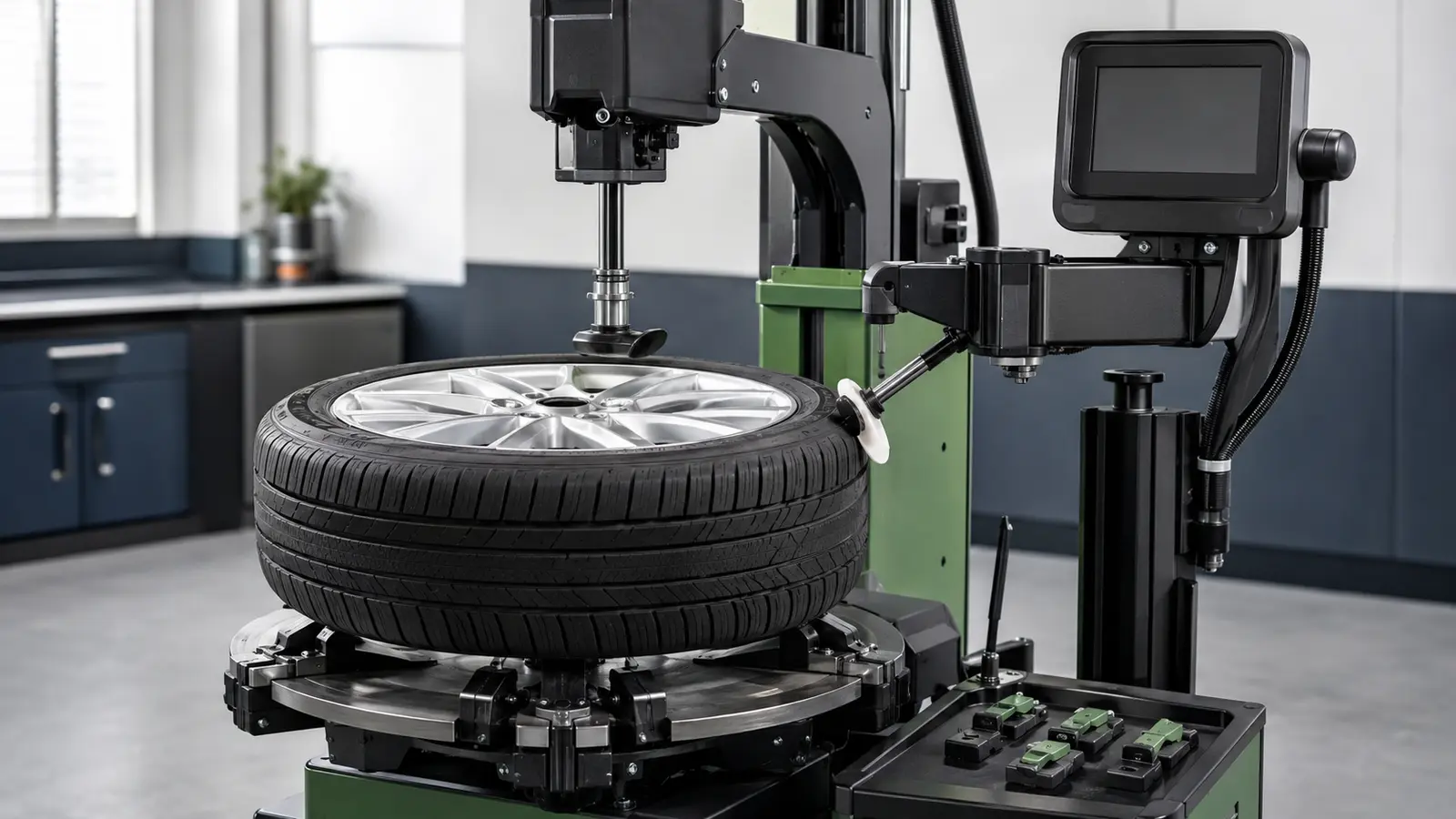
Direct Answer: Evaluate a car tire changer against the workshop’s actual wheel mix, rim dimensions, tire profiles, daily workload, electrical supply, compressed-air conditions, operator method and required accessories. Then confirm how the supplier defines capacity, what is included, which tests will be recorded before shipment, and what installation, training, spare-parts and after-sales scope applies.
A car tire changer is not selected reliably by voltage, maximum rim size or automation wording alone. Two machines may advertise similar headline specifications while requiring different operator intervention, adapters, assist devices or workshop utilities. For a repair chain, distributor or OEM buyer, the right choice is the machine whose verified operating envelope matches the tires actually entering the service bay.
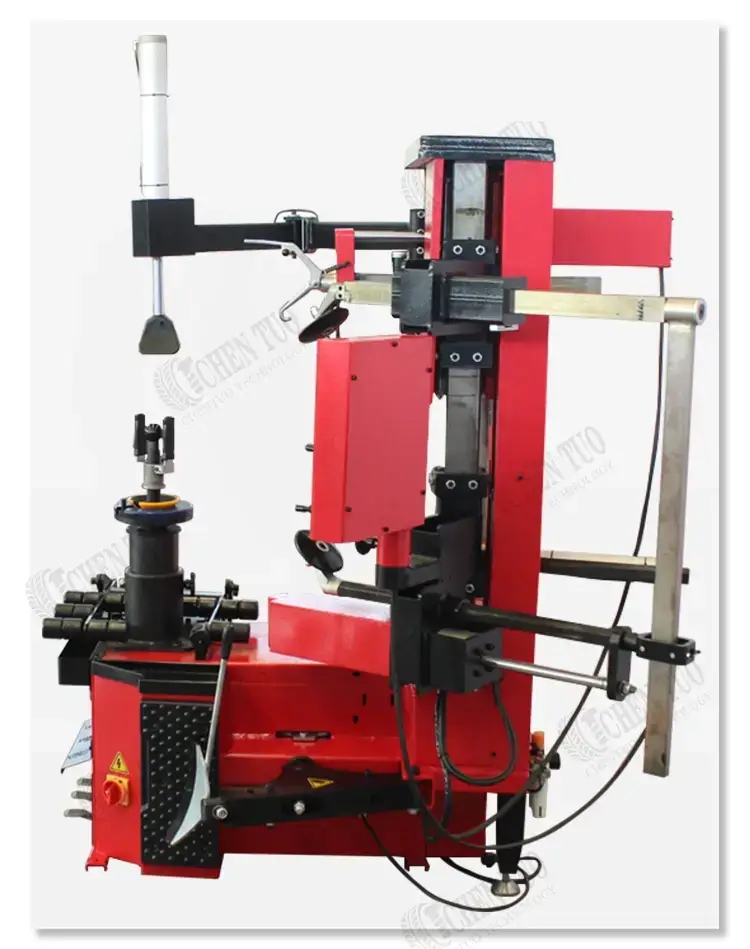
The product listing for the Chentuo CT-7909 automatic car tire changer identifies 220V/380V power options, compatibility described up to 28 inches, a right-side auxiliary arm and an LCD display. Those points provide a useful starting frame, but buyers should convert each one into an application-specific question before placing an order.
Start With the Workshop’s Tire and Wheel Mix
The first selection document should describe the work, not the machine. List the vehicle categories served, the rim diameters and widths normally encountered, the largest complete wheel envelope, and any wheel or tire types that require extra control. Separate routine volume from occasional edge cases.
A high-volume passenger-car tire shop, a mixed SUV workshop and a dealership handling premium alloy wheels may all need a car tire changer, but their risk profiles differ. One prioritizes cycle consistency, another needs broader physical coverage, and the third may place greater emphasis on controlled bead handling and rim-contact protection.
Buyers should record at least:
- the common and maximum rim diameters;
- rim widths and the maximum complete wheel diameter and width;
- steel, alloy and other wheel finishes that must be protected;
- tire profiles and sidewall stiffness encountered in normal service;
- whether motorcycle, light-truck, SUV or special wheels are within scope;
- daily job volume, peak-hour demand and expected operator experience.
This data prevents a familiar mistake: buying for the largest number printed in a catalog while overlooking the wheel width, clamping method or bead-control requirement that determines real compatibility.
Clarify What “Up to 28 Inches” Actually Means
A size claim can refer to external clamping, internal clamping, rim diameter or another defined range. It does not automatically describe the maximum outside diameter or width of a mounted tire. The buyer should ask the supplier to label every size value and identify the test condition behind it.
For the CT-7909, the supplied product data states compatibility up to 28 inches. Before approval, request a specification sheet that separates:
- external and internal clamping ranges, where applicable;
- rim width range;
- maximum complete wheel diameter and width;
- maximum wheel mass that can be handled under the intended method;
- any adapter, extension or alternative clamping requirement;
- wheel types that require a different procedure or are outside scope.
If a distributor plans to sell the machine across several workshop segments, build a compatibility matrix from real customer wheels. Do not describe a broad vehicle application unless the corresponding wheel conditions have been checked.
Match Power and Compressed Air to the Destination Workshop
The CT-7909 listing presents 220V and 380V supply options. That does not mean either version will connect correctly in every country or workshop. The order should freeze voltage, phase, frequency, plug or termination arrangement, motor configuration and any control-circuit requirement.
Tire changers also depend on compressed air for several functions. Buyers should confirm the required pressure range, flow demand, air connection, filtration and moisture-management expectations with the supplier. A machine can operate poorly even when nominal pressure is present if the workshop air supply drops under load or the connection restricts flow.
For multi-site orders, collect a utility sheet from each installation location. A single purchasing specification should not assume that every branch has identical electricity and air infrastructure.
Evaluate the Assist Arm by the Jobs It Must Control
An auxiliary arm is valuable when it supports a defined operator task. The buyer should ask which movements it performs, where pressure is applied, how the operator controls it and which tire types benefit from it. The CT-7909 listing identifies a right auxiliary arm, but the quotation should show the actual included assembly and operating scope.
For difficult beads or stiff sidewalls, controlled assistance may reduce manual effort and improve consistency. It does not eliminate the need for correct lubrication, positioning, tool clearance and operator training. More force is not automatically safer; incorrect placement can increase the risk of bead or rim damage.
Compare the proposed CT-7909 configuration with the wider Chentuo tire changer range by function rather than by the number of arms or attachments visible in a photograph. Ask each supplier to demonstrate how the stated configuration handles the buyer’s representative wheels.
Check Rim Contact and Mount/Demount Tooling
Wheel protection depends on the complete contact path: clamps, jaws, mounting head, bead breaker, lever or leverless mechanism, protective inserts and operator technique. Buyers should list the wheel finishes they need to protect and request the included protective components by part number or description.
Replacement wear parts matter as much as the original machine. Confirm which polymer protectors, mounting heads, inserts, pads and seals are consumable, how they are ordered, and whether the shipment includes a practical starter set. A low purchase price can create downtime if a small wear item is difficult to identify or replace.
The site’s explanation of why fully automatic tire changers may avoid manual levers helps frame the operating difference. Buyers should still verify the actual mechanism on the ordered model instead of assuming that “automatic” always means the same sequence.
Calculate Workflow Fit, Not Just Cycle Speed
A fast turntable does not guarantee a fast service bay. Throughput also depends on wheel movement, setup, bead breaking, clamping, lubrication, mount/demount control, inflation procedure and handoff to balancing. The buyer should observe or request a complete demonstration using representative wheels.
Record the steps that require operator repositioning, manual lifting, tool changes or accessory retrieval. Also review the machine footprint, working clearance, pedal access and the space required for the auxiliary arm. A machine that fits the floor plan but blocks an aisle or conflicts with the wheel balancer can reduce overall bay productivity.
For workshops planning a complete tire-service station, the automotive workshop equipment range can be reviewed as a workflow rather than as isolated products. Tire changing, balancing and vehicle movement should be arranged so that wheels do not travel back and forth across active work zones.
Normalize the Quotation Before Comparing Suppliers
| Quotation Area | What the Buyer Should Freeze | Why It Changes the Decision |
| Machine configuration | Model, power version, auxiliary arm, mounting head and clamping arrangement | Similar model names may include different operating functions |
| Wheel coverage | Defined rim ranges, wheel envelope and excluded applications | A single maximum-inch claim may hide width or clamping limits |
| Accessories | Adapters, protectors, tools, inflation items and starter spares | Missing accessories can delay commissioning or restrict jobs |
| Utilities | Voltage, phase, frequency, connection and compressed-air requirements | Incorrect utilities can prevent safe, stable operation |
| Evidence | Pre-shipment checks, demonstration conditions and report format | Catalog specifications do not prove the ordered configuration |
| Delivery support | Packing, manuals, commissioning, training, warranty and spare-parts process | Total project readiness extends beyond the machine price |
Ask suppliers to state all assumptions and exclusions. This is especially important for dealer orders, where packaging, documentation, labeling, spare-parts identification and repeat-order consistency may be part of the commercial value.
Define a Pre-Shipment Acceptance Check
The acceptance plan should verify the ordered model and the functions that matter to the application. It need not become an elaborate laboratory test. It should be clear enough to prevent a generic power-on check from being treated as proof of suitability.
Depending on the agreed scope, the buyer can request:
- model and nameplate confirmation against the purchase order;
- power configuration and control-function verification;
- operation of clamping, bead-breaking and auxiliary-arm movements;
- a demonstration with agreed representative wheel conditions;
- inspection of supplied rim-protection parts and accessories;
- leak, abnormal-noise and visible-damage checks under the agreed procedure;
- packing-list reconciliation and document review.
When a function cannot be verified before shipment, identify the commissioning check and the party responsible. Acceptance criteria should be agreed before the machine is packed.
Representative Scenario — Not a Claimed Customer Case
Business Background: A regional equipment distributor is preparing a mixed order for independent tire shops that mainly service passenger cars and SUVs.
Problem: The distributor selects a car tire changer based on a 28-inch headline and dual-voltage availability, but several customers ask whether wide wheels, stiff sidewalls and sensitive alloy finishes are covered.
Cause: The original inquiry did not distinguish rim clamping range from complete wheel envelope. It also omitted workshop air conditions, included protectors, auxiliary-arm functions and demonstration wheels.
Solution: The distributor issues a wheel-application matrix, selects the destination power configuration, confirms the compressed-air requirement, lists required protective accessories and asks for a recorded demonstration against representative wheel conditions.
Buyer Decision Value: The final order is based on declared applications and evidence, reducing the risk that sales claims exceed the delivered configuration’s verified scope.
Questions to Send With the RFQ
- What do the stated rim and wheel size limits measure?
- Which wheel types were used to verify the recommended configuration?
- Which voltage, phase and frequency options are available for the destination?
- What compressed-air pressure, flow and connection are required?
- What functions does the included right auxiliary arm perform?
- Which clamps, protectors, mounting heads, adapters and tools are included?
- Which consumables and wear parts should be ordered with the machine?
- What pre-shipment checks and demonstration evidence will be provided?
- What are the packing, manual, commissioning and after-sales boundaries?
For a broader selection perspective, review the site’s warning on choosing a tire changer for the actual repair shop. The current RFQ should then translate that application into a model-specific scope.
Frequently Asked Questions
Is a 28-inch tire changer suitable for every 28-inch wheel?
Not necessarily. Buyers should confirm what the 28-inch value measures, along with clamping method, rim width, complete wheel envelope, tire profile and required adapters. A shared diameter does not guarantee identical operating conditions.
Should a buyer choose 220V or 380V?
Choose the version that matches the destination’s confirmed electrical supply and the ordered machine configuration. Voltage alone is insufficient; phase, frequency, connection and control requirements should also be verified.
Does an auxiliary arm make every difficult tire easy to change?
No. It can support defined bead-control tasks, but compatibility still depends on tire and rim conditions, tool setup, lubrication and operator procedure. Ask for a demonstration on representative wheels.
What accessories are most often missed in a quotation?
Common gaps include rim-protection inserts, alternative mounting heads, adapters, inflation accessories, air preparation items and starter wear parts. The required list depends on the workshop’s wheel mix.
How should distributors evaluate repeat-order consistency?
Freeze the model configuration, power version, accessories, labeling, packing and document revision. Require notification and approval before substitutions or functional changes are introduced.
Is a catalog specification enough for acceptance?
No. The purchase order should identify the ordered configuration and required checks. A pre-shipment record or agreed demonstration provides stronger evidence than a generic catalog page.
What should buyers send to receive a useful recommendation?
Send the wheel and tire application matrix, daily workload, destination utilities, workshop layout, required functions, quantity, accessory expectations, packing needs and acceptance requirements.
Send Application Data, Not Just a Model Request
To evaluate the CT-7909 for a workshop or distributor program, send representative rim and wheel dimensions, tire profiles, daily volume, power and air conditions, desired assist functions, rim-protection needs, quantity, destination, packing and acceptance expectations through the Chentuo contact page. Request a written compatibility response, included-accessory list and pre-shipment check scope with the quotation.