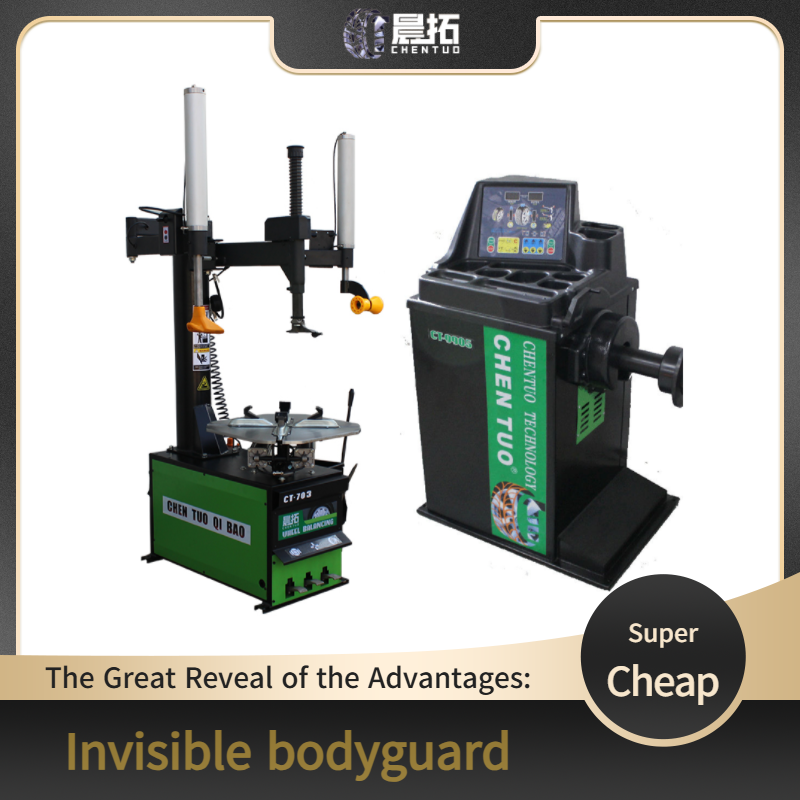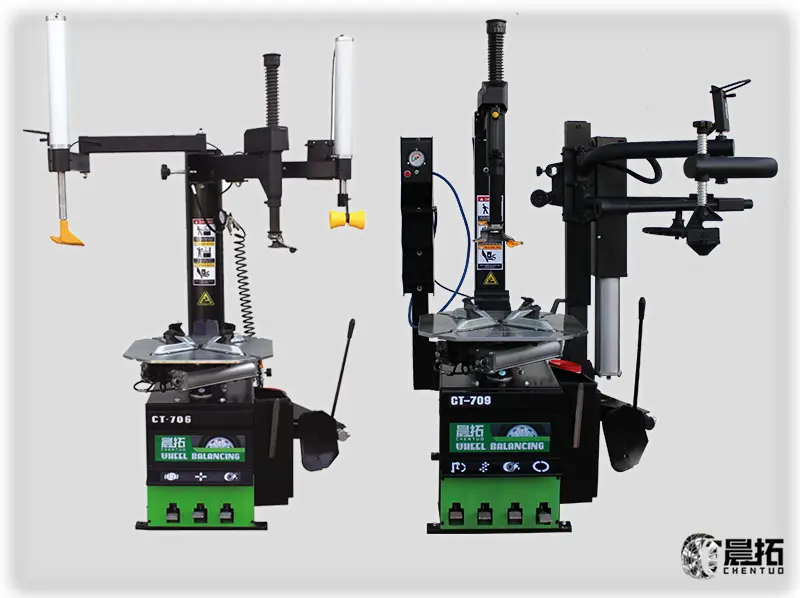
The key to why tire changers can easily dismount various types of tires lies in the power provided by hydraulic or pneumatic systems. Revealing the power differences between these two systems helps you choose the right tire changer for your specific scenario, thereby improving operational efficiency.
The "Herculean" strength of tire changers relies entirely on two major power systems: hydraulic and pneumatic, which differ significantly and are suited to difge scenarios. Hydraulic systems emphasize "stability and power," transmitting force via liquid pressure to deliver high and steady output, easily handling difficult-to-remove tires such as thick and run tires. They are suitable for large repair shops and commercial vehicle maintenance, though they feature complex structures and slightly slower startup times. Pneumatic systems, on the other hand, prioritize "speed and agility," driven by compressed air for rapid startup and convenient operation. They are ideal for small repair shops and motorcycle maintenance involving lightweight tires, offering simple structures and low maintenancts. The core difference lies in power output methods and application scenarios: hydraulic systems focus on "force," while pneumatic systems focus on "speed." Understanding this distinction allows you to select thepower system for your repair needs, ensuring both labor savings and efficiency.