News & Article

Welcome to our News & Insights. Stay informed with our latest company updates, technological breakthroughs, and professional analysis.

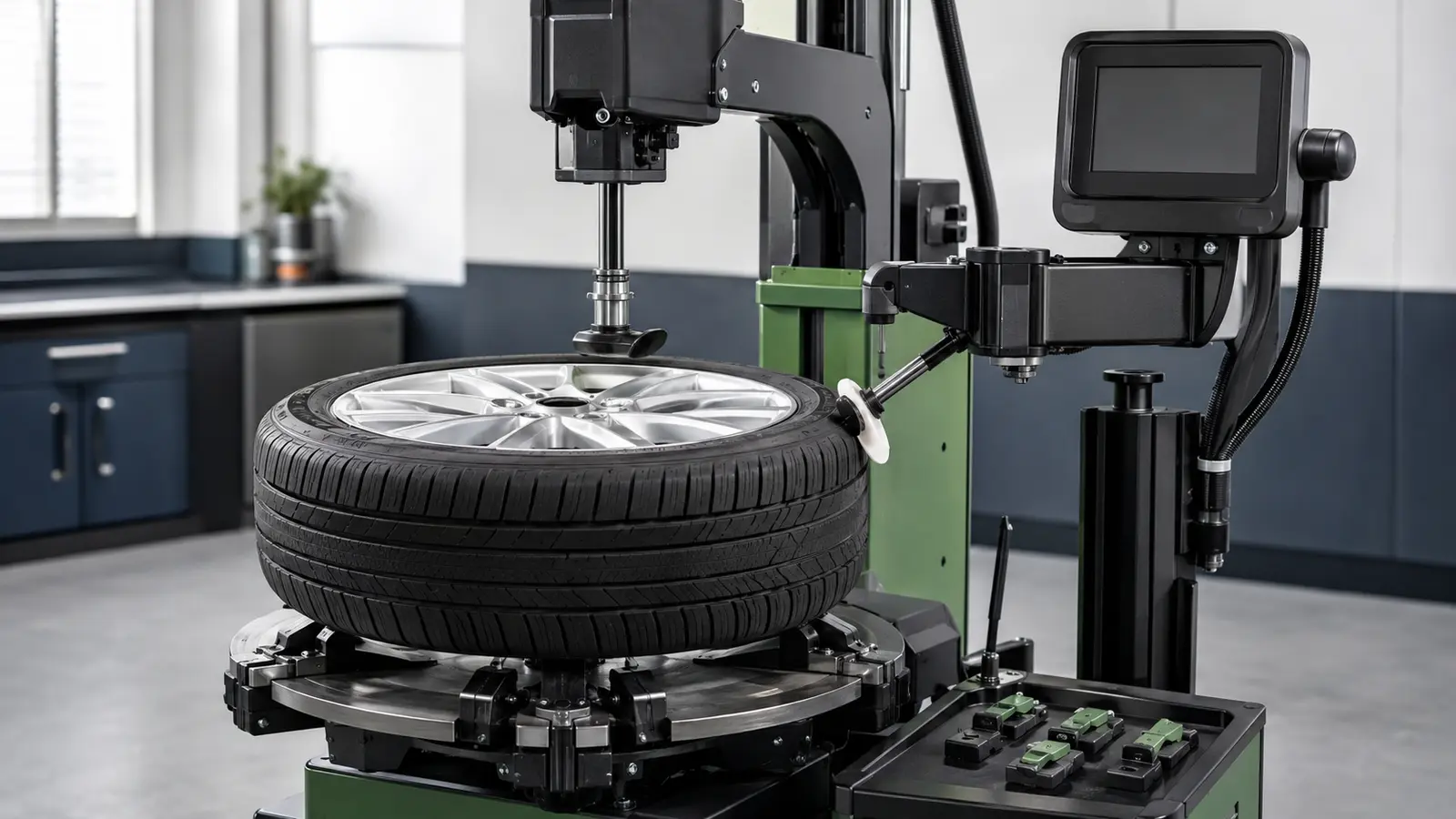
How Should Buyers Evaluate a Car Tire Changer for Project Procurement?

Direct Answer: Evaluate a car tire changer against the workshop’s actual wheel mix, rim dimensions, tire profiles, daily workload, electrical supply, compressed-air conditions, operator method and required accessories. Then confirm how the supplier defines capacity, what is included, which tests will be recorded before shipment, and what installation, training, spare-parts and after-sales scope applies. A […]
Read More »

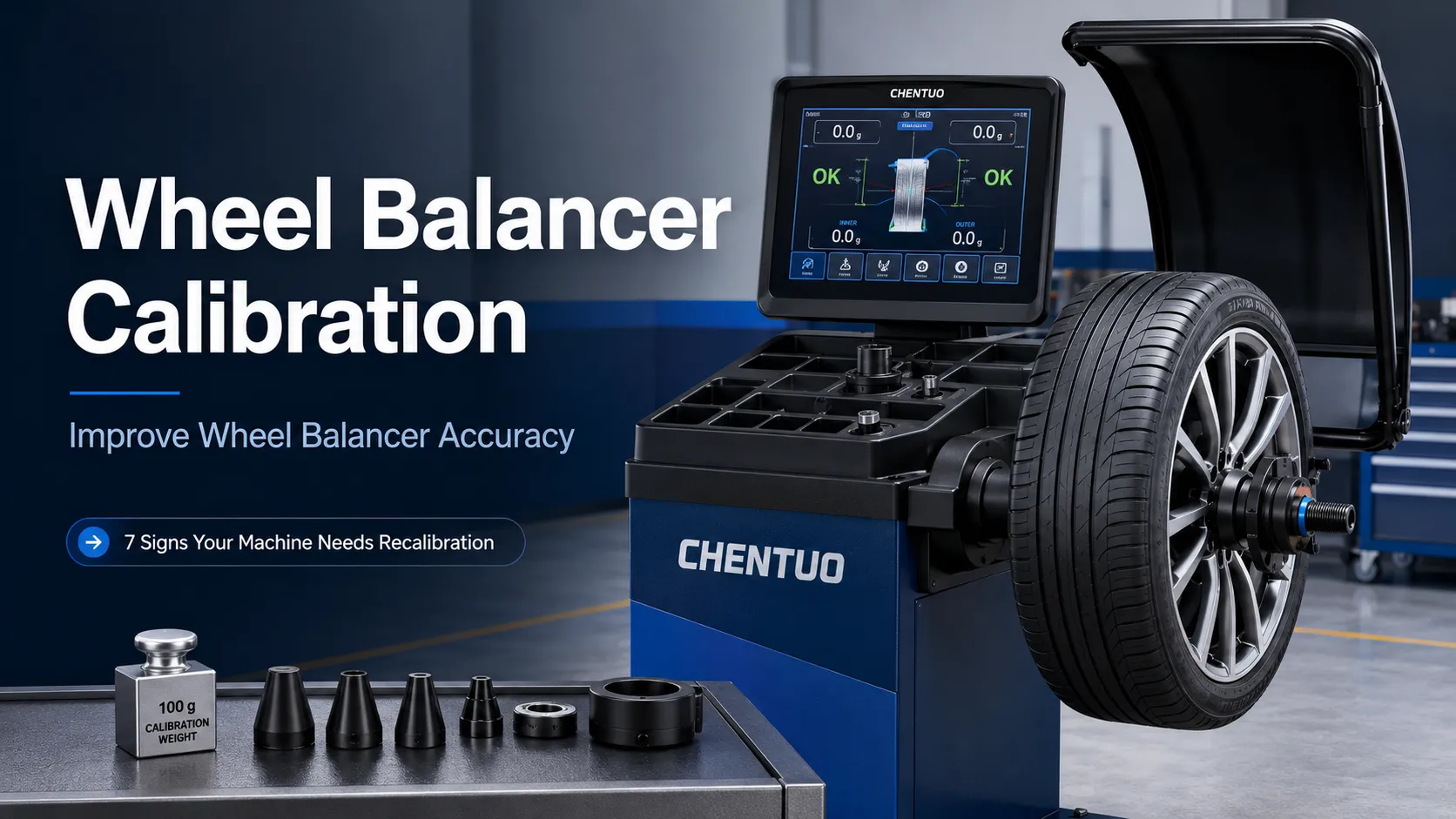
Wheel Balancer Cone and Shaft Compatibility: What Should Multi-Brand Tire Shops Verify?

Direct Answer: A multi-brand tire shop should select a wheel balancer from its wheel inventory, not from machine capacity alone. Buyers should record hub-bore sizes, hub-centric and lug-centric wheels, bolt patterns, wheel diameter and weight, then verify the balancer shaft, cone or collet range, pressure cup, flange or pin-plate options, spacer requirements, included accessories, optional […]

Read More »

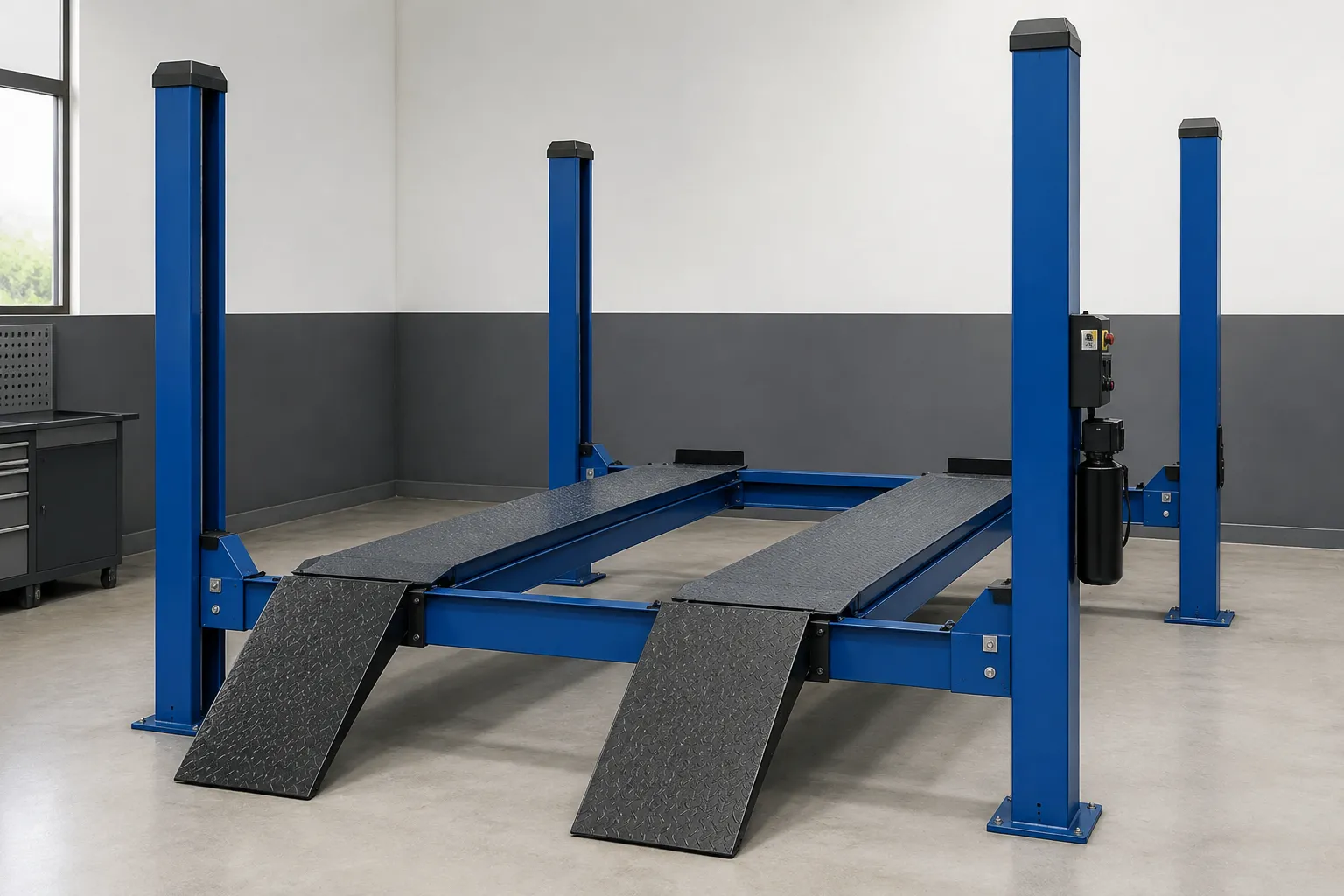
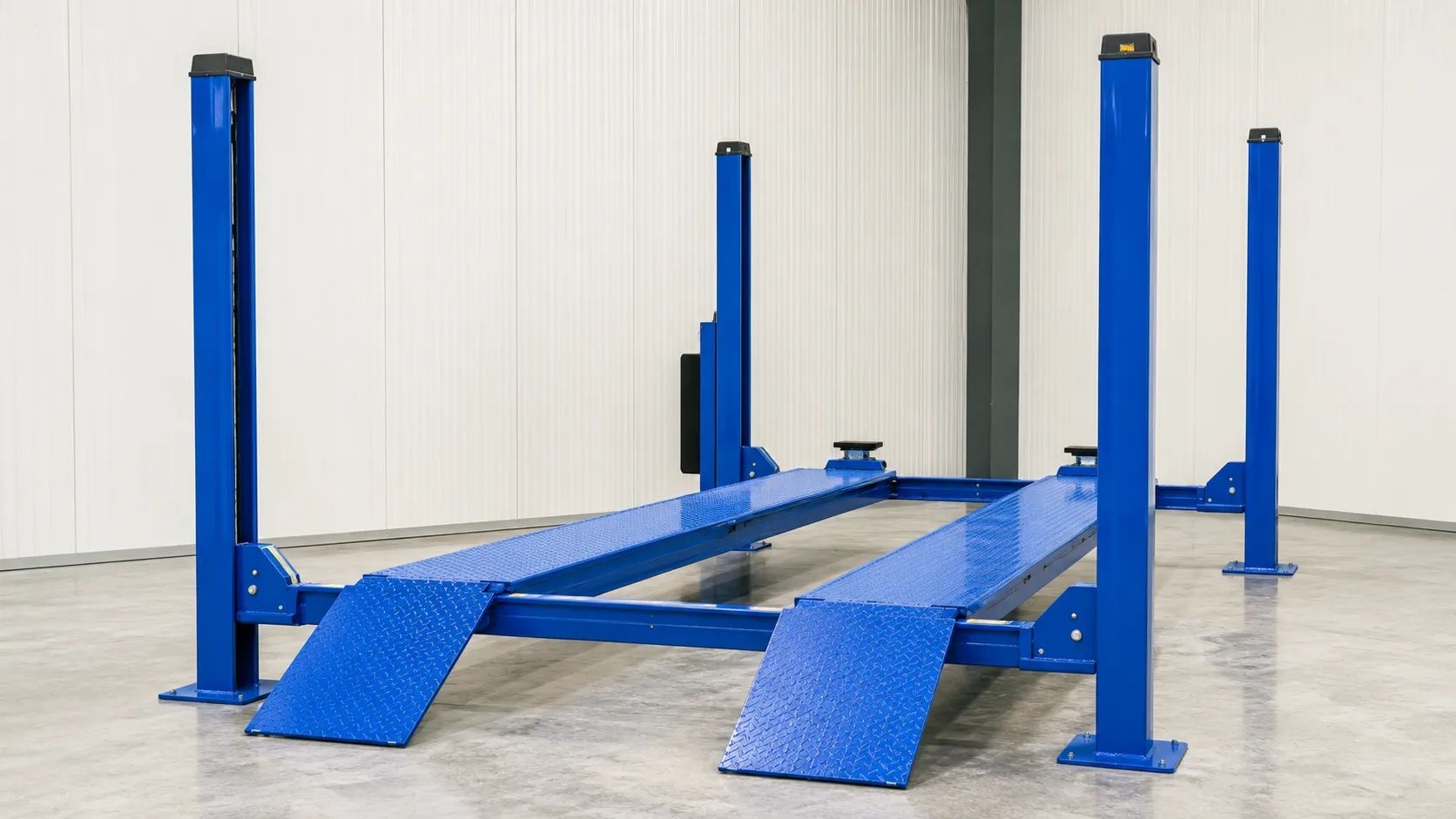
Four-Post Car Lift for Wheel Alignment: Which Runway, Turntable, and Jacking Features Matter?

Direct Answer: A four post car lift is suitable for wheel alignment only when the complete rack configuration matches the workshop’s vehicle mix and alignment workflow. Buyers should verify usable runway length and width, wheelbase and track coverage, front turntable provisions, rear slip-plate provisions, rolling-jack requirements, drive-on access, bay dimensions, floor and power conditions, and […]

Read More »

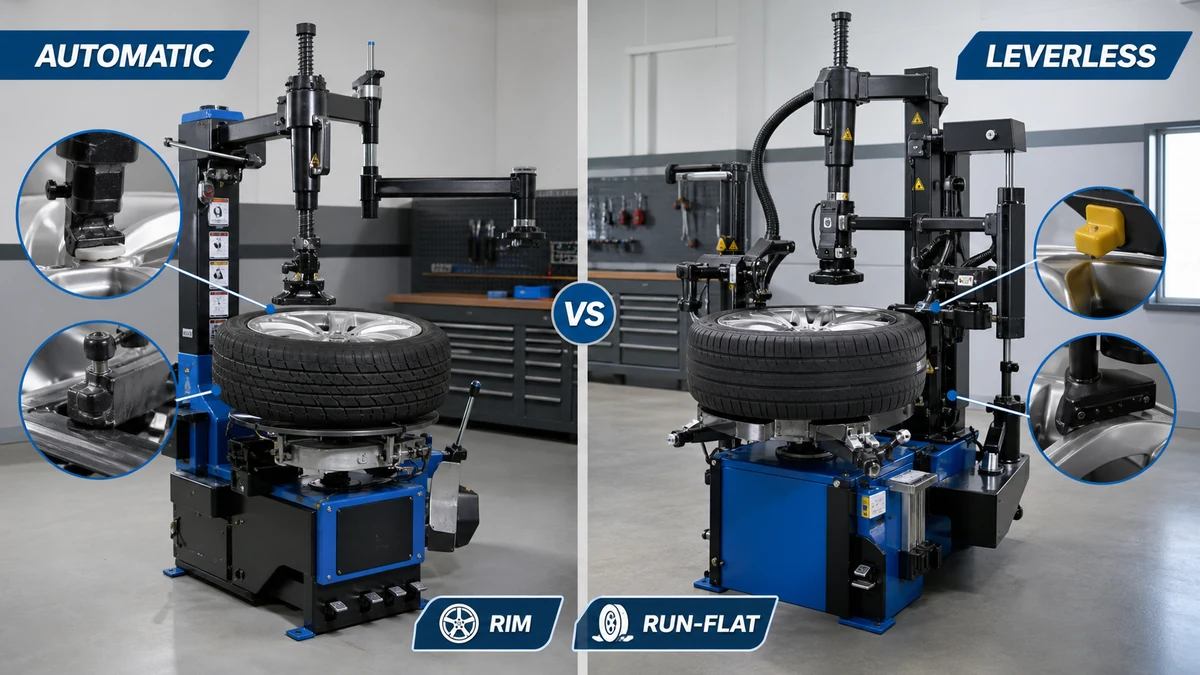
Automatic vs Leverless Tire Changer: Which Better Controls Rim-Damage Risk on Run-Flat Tires?

Direct Answer: An automatic tire changer is not automatically safer for run-flat or low-profile wheels, and a leverless design is not damage-proof. Rim risk depends on every contact point: clamping, mount/demount tool, bead breaker, helper arms, bead position, lubrication, protective inserts, wheel condition, operator visibility, and technique. Approve the machine through representative live tests, not […]

Read More »

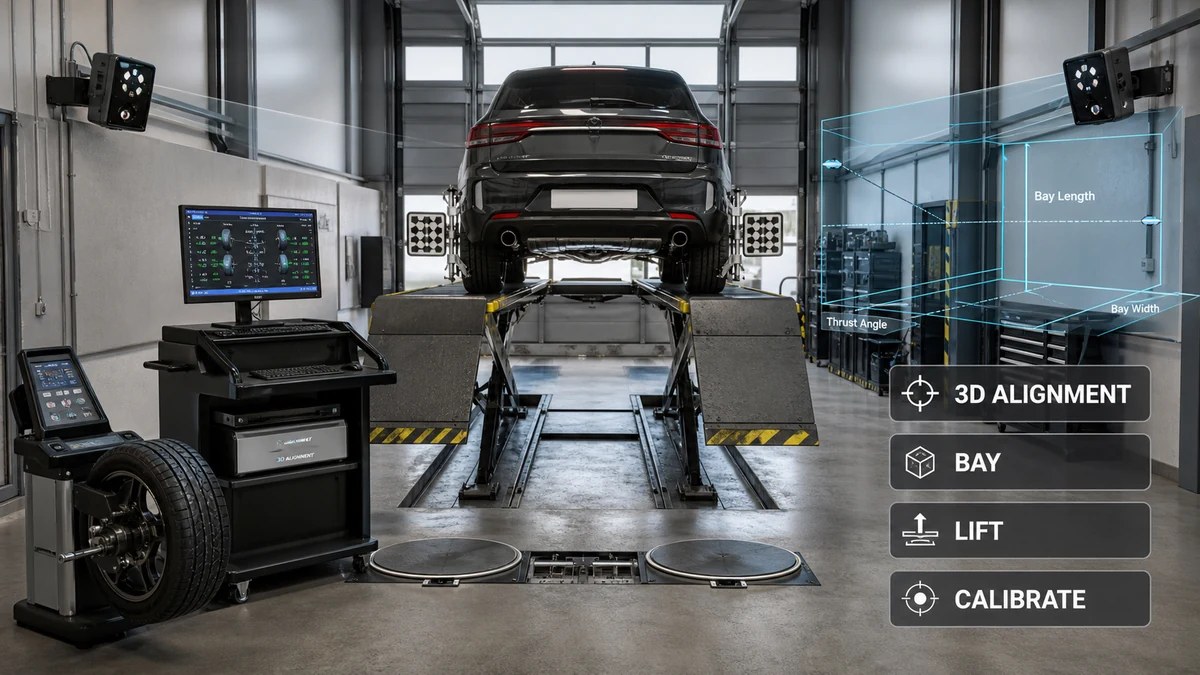
How Should Buyers Specify a 3D Wheel Alignment System for Workshop Throughput?

Direct Answer: Specify 3D wheel alignment from the complete bay workflow, not camera resolution or measurement time alone. Define vehicle mix, alignments per shift, lift/runway geometry, target mounting and compensation steps, adjustment access, database coverage, report time, calibration, training, and service support. Then validate throughput with representative vehicles before accepting the equipment. This planning method […]

Read More »