How Should Buyers Specify a 3D Wheel Alignment System for Workshop Throughput?
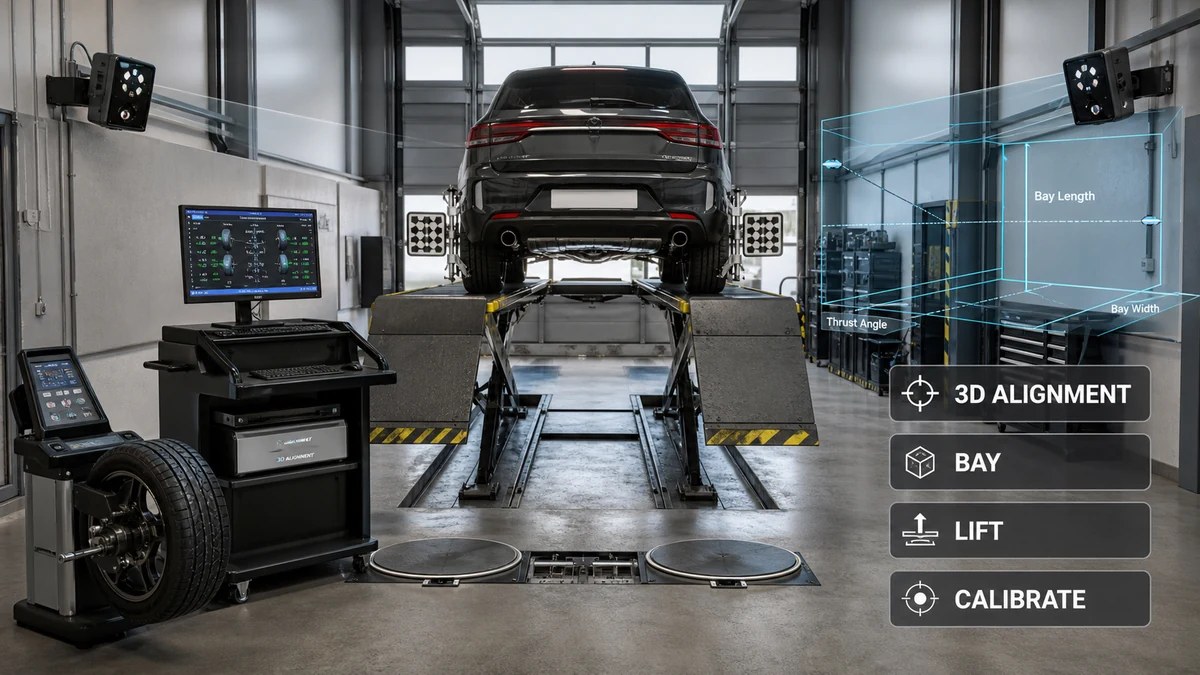
Direct Answer: Specify 3D wheel alignment from the complete bay workflow, not camera resolution or measurement time alone. Define vehicle mix, alignments per shift, lift/runway geometry, target mounting and compensation steps, adjustment access, database coverage, report time, calibration, training, and service support. Then validate throughput with representative vehicles before accepting the equipment.
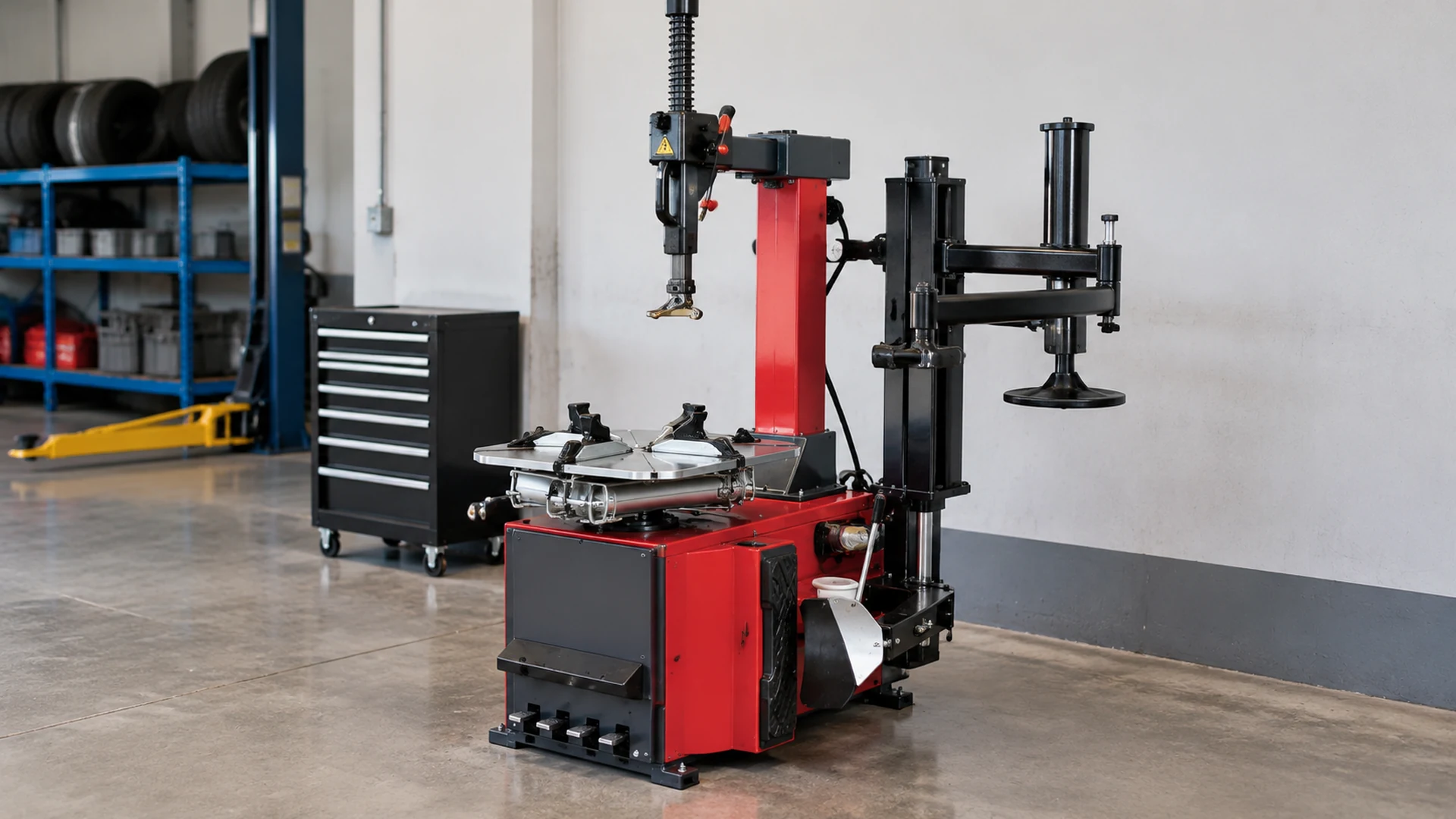
This planning method is intended for tire shops, dealership workshops, service chains, fleet maintenance centers, automotive equipment distributors, and OEM buyers that need predictable alignment capacity rather than a feature-heavy machine. Chentuo manufactures tire changers, wheel balancers, car lifts, and wheel alignment equipment for global automotive aftermarket buyers. For available system families, buyers can review the Wheel Alignment product category, then build the RFQ around the actual workshop workflow.
Why Is Workshop Throughput More Than the Alignment Machine’s Measurement Speed?
Throughput is the number of completed, acceptable alignment jobs a bay can process in a defined shift. The measurement itself is only one part of that cycle. Vehicle reception, positioning, target or clamp installation, compensation, caster sweep, adjustment, printout, target removal, vehicle exit, and bay reset can consume more time than the camera capture.
| Workflow Stage | Buyer Should Time | Common Throughput Loss |
| Vehicle positioning | Entry, centering, lift/runway positioning, turn-plate placement | Short bay, difficult approach, poor runway access, repeated repositioning |
| Target/clamp installation | Mounting, centering, rim protection, operator movement around vehicle | Slow clamping, limited access, wheel-cover removal, repeated adjustment |
| Compensation and measurement | Required vehicle movement, camera capture, caster sweep, data stabilization | Workflow interruption or geometry that requires extra vehicle movement |
| Mechanical adjustment | Time to access tie rods, cam bolts, suspension points, steering wheel lock | Lift or runway design restricts technician access |
| Report and reset | Customer report, database entry, target removal, vehicle exit, bay preparation | Slow software steps, printer/network issues, manual data re-entry |
A frequent buyer mistake is comparing machines by an advertised “measurement time” and using that number as expected job cycle time. A workshop can own a fast camera system and still process fewer vehicles if the bay layout or target workflow adds several minutes to every job.
How Should Buyers Convert Vehicle Mix Into a Capacity Requirement?
Start with the vehicles the workshop actually serves. A passenger-car tire shop, an SUV-heavy dealership, and a mixed fleet workshop do not have the same wheelbase, track width, wheel size, suspension access, or alignment frequency.
Prepare a vehicle-mix schedule with:
- Passenger cars, SUVs, light commercial vehicles, or other classes expected in the bay
- Typical and maximum wheelbase
- Typical and maximum track width
- Wheel and rim sizes that affect target/clamp selection
- Suspension types that change adjustment access
- Current models and future vehicle types the workshop expects to service
- Average alignments per day and peak jobs per shift
- Percentage of vehicles requiring adjustment versus measurement/report only
Another industry experience point is that peak arrivals matter more than daily averages. A shop that performs twelve alignments in eight hours can still create a queue if eight of those vehicles arrive in one four-hour period. The equipment and bay should be evaluated against the peak operating window, not only the average day.
How Can Buyers Estimate a Realistic Alignment-Bay Cycle Time?
A useful procurement model divides the job into repeatable stages and applies a realistic time range to each stage during the supplier demonstration. The buyer should not hard-code a universal cycle time before testing the actual shop process.
| Throughput Variable | What to Measure During Trial | Decision Question |
| Positioning time | Vehicle entry to stable measurement position | Does the bay and lift allow one-pass positioning? |
| Target/clamp time | Installation and rim-protection steps for all four wheels | Can one technician mount them consistently without excessive walking or rework? |
| Measurement sequence | Compensation, caster sweep, image/data capture | Does the sequence fit the shop’s normal vehicle handling? |
| Adjustment access | Time from diagnosis to technician access underneath or beside the vehicle | Is the selected lift/runway layout compatible with the adjustment work? |
| Reporting | Save, print, export, or customer explanation | Does reporting create a bottleneck after measurement? |
| Bay reset | Target removal, vehicle exit, preparation for the next vehicle | Can the bay return to ready condition without interfering with nearby work? |
For purchasing, the important calculation is:
Practical jobs per shift = available productive bay minutes ÷ validated average job cycle time.
The buyer should then reduce the theoretical number for real workshop interruptions, technician availability, difficult vehicles, rechecks, and calibration/maintenance time. This produces a planning figure rather than a marketing figure.
What Bay and Lift Geometry Should Be Checked Before Ordering?
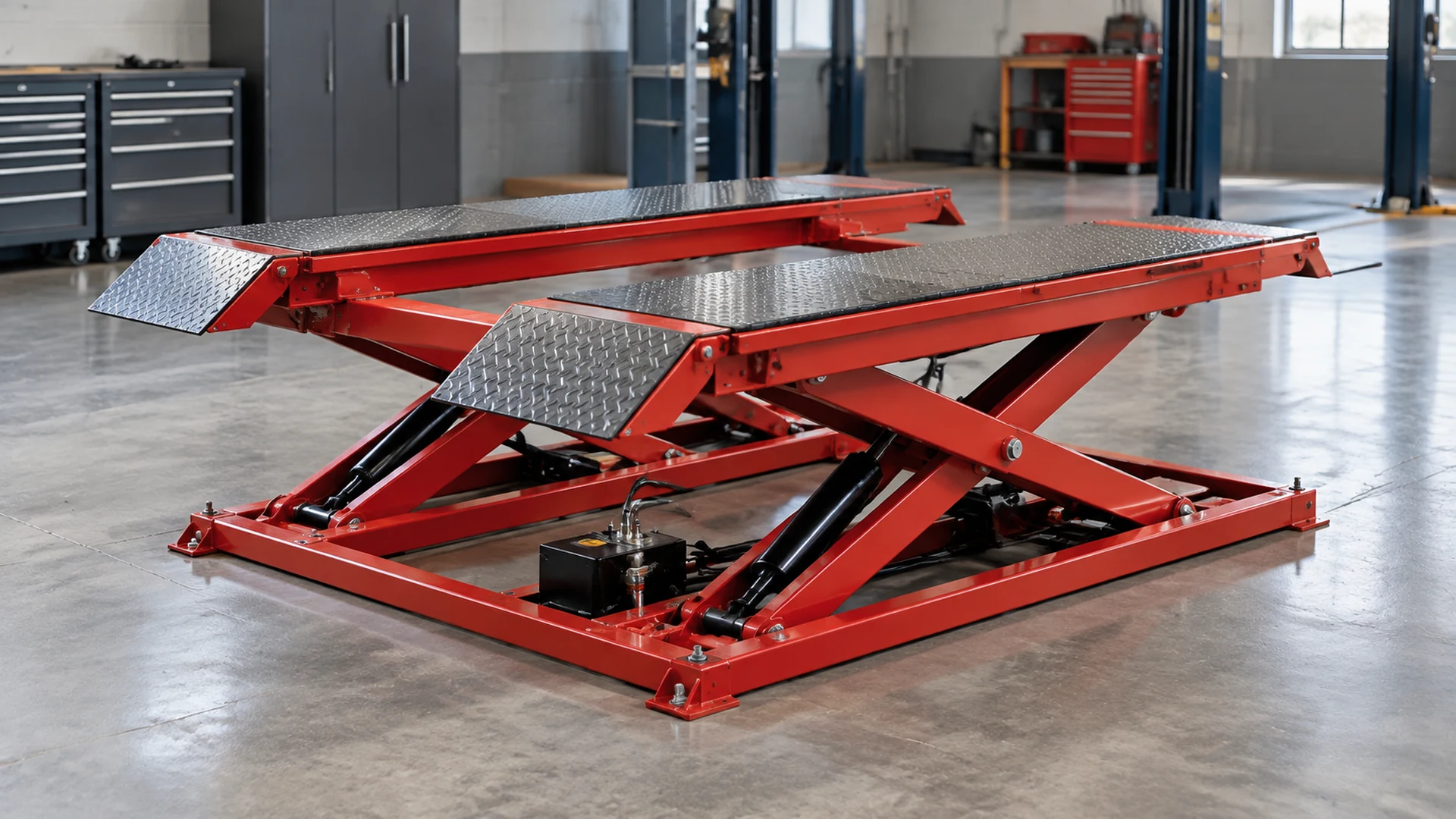
3D wheel alignment equipment does not operate in isolation. Camera placement, lift or alignment runway, turn plates, slip plates, vehicle approach, lighting, power, network, and surrounding obstructions form one measurement bay.
Measure and submit:
- Bay length and width
- Ceiling height
- Vehicle approach and exit route
- Lift or runway length, width, and working height
- Turn-plate and rear slip-plate arrangement
- Levelness requirements to be confirmed for the selected system
- Camera/beam mounting or travel space
- Columns, doors, cabinets, lights, or other obstructions
- Power supply
- Network and printer location
- Technician access around and under the vehicle
A common installation problem is buying the alignment system first and checking the existing lift later. Even when both pieces of equipment are individually suitable, camera visibility, target line-of-sight, runway dimensions, or technician adjustment access can make the combined workflow inefficient.
How Should Target and Clamp Workflow Be Evaluated?
Targets and clamps should be judged by repeatability, rim protection, installation time, and compatibility with the workshop’s wheel range. The buyer should include difficult wheels in the acceptance demo rather than testing only one conventional vehicle.
During the trial, check:
- Target/clamp installation time on representative wheels
- Whether mounting protects wheel finishes under the approved procedure
- Whether wheel size or design requires additional adapters
- Operator visibility and access around the lift
- Repeatability after targets are removed and reinstalled
- How damaged, worn, or lost targets/clamps are replaced and recalibrated if required
- Which accessories must be held as service spares
One hidden operating cost is a small accessory that stops the whole alignment bay. Buyers should ask for a spare-parts list covering the targets, clamps, cables, fixtures, and other items whose failure can take the bay out of service.
Which Database and Software Questions Affect Throughput?
A 3D system is only useful when the workshop can quickly select the correct vehicle data, complete the required measurement, and generate a usable report. Database coverage should therefore be treated as a procurement item, not a vague “large database” claim.
| Software Question | Buyer Should Confirm | Operational Risk |
| Vehicle coverage | Regions, makes, model years, vehicle classes relevant to the workshop | Technician cannot find the correct specification for a frequent vehicle. |
| Update method | How updates are supplied and whether license/subscription terms apply | Database becomes outdated or creates unexpected recurring cost. |
| Manual data | Whether buyer-approved specifications can be entered when required | Uncovered vehicles cannot be processed consistently. |
| Reports | Language, before/after values, customer printout, export options | Technician re-enters data manually or produces unusable reports. |
| Data workflow | Save, retrieve, export, network or shop-management integration requirements | Administrative time becomes the actual throughput bottleneck. |
What Product Evidence Can Be Used During Shortlisting?
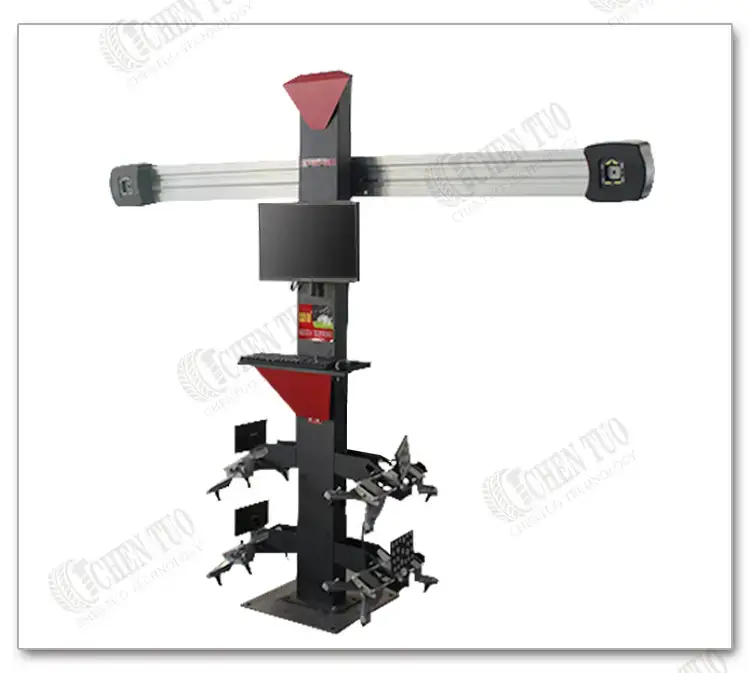
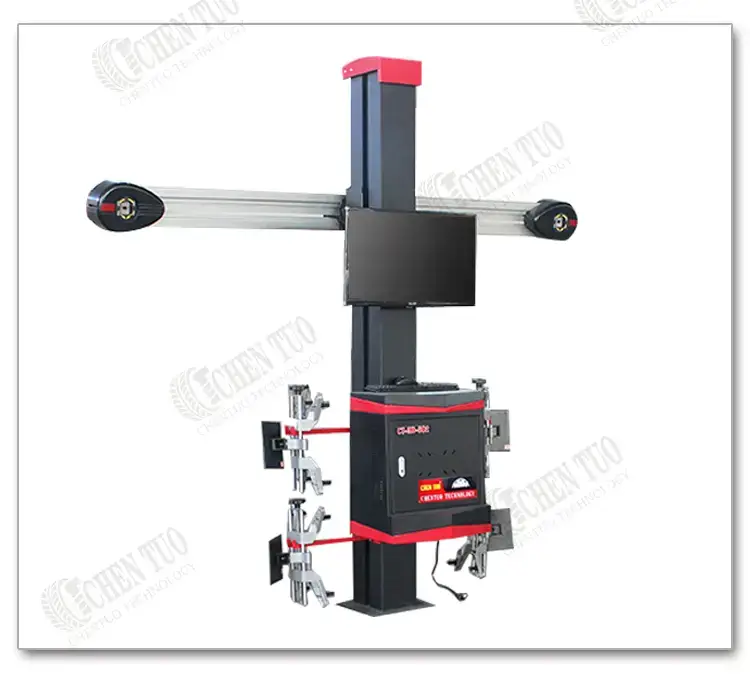
Chentuo’s product database includes the Chen Tuo CT3D501 Computerized 3D Wheel Alignment Lift Machine. The supplied product data lists high-precision alignment positioning, a 220 rpm balancing-speed reference, up to 150 kg maximum wheel weight, CE certification, and an LED display. These listed features can support initial shortlisting, but buyers should still confirm the complete alignment-system configuration and workshop interface in the RFQ.
A second available reference is the CE Certified Four Wheel Aligner with Wheel Alignment Camera. The product database lists a 24-inch industrial display, 8-megapixel camera, 220V power supply, CE certification, and an 18-month warranty. The buyer should verify the exact supplied targets, clamps, software/database scope, calibration items, accessories, packaging, and service boundary for the proposed order.
Product specifications should not replace a bay trial. The procurement decision is whether the complete configuration can produce repeatable alignment results at the workshop’s required job rate.
How Should Calibration, Training, and Reporting Be Included in the Acceptance Plan?
Installation is not complete when the equipment powers on. The buyer should define how the initial setup will be calibrated or verified, who performs it, what fixtures or procedures are required, how operators are trained, and what evidence closes the acceptance process.
Include:
- Installation responsibility
- Initial calibration/verification responsibility
- Calibration fixtures or accessories included
- Routine check procedure required for the supplied system
- Operator training duration and scope
- Database/software setup
- Report template and language
- Remote support route
- Spare target/clamp and consumable strategy
- Warranty and service boundary
Chentuo’s existing article on four-wheel alignment diagnosis for steering-wheel vibration provides application context for why alignment data matters. For equipment purchasing, the acceptance plan should go further and verify the full workflow from vehicle entry to final report.
What Does a Representative Throughput Planning Scenario Look Like?
Scenario: A multi-bay tire service center is adding a dedicated 3D alignment bay. This is a representative procurement scenario, not a claimed Chentuo customer case.
Business Background: The shop handles passenger cars and SUVs, with alignment demand concentrated after tire replacement and suspension work. Management wants to increase daily alignment capacity without adding a second technician to the bay.
Problem: The first equipment comparison ranks machines by camera resolution, display size, and advertised measuring speed, but the shop’s existing runway, vehicle approach, target workflow, database region, and report process are not included.
Cause: The RFQ treats the 3D aligner as a standalone instrument rather than one workstation in a service process.
Solution: The shop times its current vehicle-entry, positioning, adjustment, and reporting steps; maps the bay and lift; lists vehicle mix and peak jobs; and asks suppliers to demonstrate target mounting, compensation, adjustment access, database selection, reporting, and calibration with representative vehicles.
Buyer Decision Value: A machine with a slightly longer measurement step can still deliver higher workshop throughput if target handling, lift compatibility, adjustment access, database selection, and reporting are faster and more repeatable. The buyer selects the configuration using validated jobs per shift and service support instead of headline measurement speed.
What Should a Throughput-Focused RFQ Worksheet Contain?
| RFQ Section | Buyer Input | Supplier Response Required |
| Vehicle mix | Vehicle classes, wheelbase/track range, wheel sizes, daily and peak alignment jobs | Supported range, required accessories, and limitations |
| Bay/lift | Layout dimensions, runway/lift, turn/slip plates, obstacles, power, network | Installation geometry, camera/target requirements, and interface assumptions |
| Workflow | Target job cycle and staffing model | Demonstration sequence and expected operator steps |
| Database | Required regions, vehicles, report language, update expectations | Coverage, update method, license terms, manual entry, report/export scope |
| Calibration | Acceptance and routine-check expectations | Included fixtures, procedure, responsibilities, and service support |
| Commercial | Quantity, destination, packaging, delivery target, training and spare requirements | MOQ, lead time, quotation validity, warranty, spares, documentation, and exclusions |
Frequently Asked Questions
How many alignments per day can a 3D wheel alignment system support?
There is no universal number. Measure the complete vehicle cycle—positioning, target installation, compensation, adjustment, report, removal, and bay reset—then divide productive bay time by the validated average cycle.
Does a higher-resolution camera automatically improve throughput?
No. Camera capability supports measurement, but throughput can be limited by target mounting, vehicle positioning, lift access, database selection, adjustment time, reporting, and operator training.
Why must the existing lift be checked before ordering?
The lift or runway affects vehicle position, turn/slip plates, camera visibility, technician access, and adjustment workflow. Equipment that is individually compatible may still create an inefficient combined bay.
What database information should a distributor confirm?
Confirm geographic coverage, vehicle years/classes, update method, license terms, manual data entry, report languages, export functions, and how future updates are supported.
What should be included in an acceptance demonstration?
Use representative vehicles and measure target installation, compensation, alignment data acquisition, adjustment access, report generation, target removal, repeatability, and the calibration or verification steps required by the supplied system.
Which spares can affect alignment-bay uptime?
Targets, clamps, adapters, calibration fixtures, cables, computer/display components, and other model-specific service items can affect uptime. Ask the supplier for a recommended spare list for the exact configuration.
What information should buyers send for a 3D alignment quotation?
Send vehicle mix, daily/peak job volume, bay and lift dimensions, power/network details, wheel range, software/database requirements, reporting needs, training, calibration, acceptance test, quantity, destination, and delivery target.
Request a Workshop Configuration and Throughput Review
Prepare the vehicle-mix list, daily and peak alignment volume, bay drawing, lift/runway dimensions, turn/slip-plate arrangement, target wheel range, database region, report requirements, power/network information, calibration and training expectations, quantity, destination, and delivery target. Submit them through Chentuo’s contact and quotation page. The team can review available wheel-alignment configurations, identify missing bay or workflow data, and prepare a project quotation with equipment scope, accessories, training, service, lead time, packaging, and exclusions.