Poor lubrication means ruined tires and damaged machinery! 4 critical moments for lubricating tire changers—a must-read for beginners.
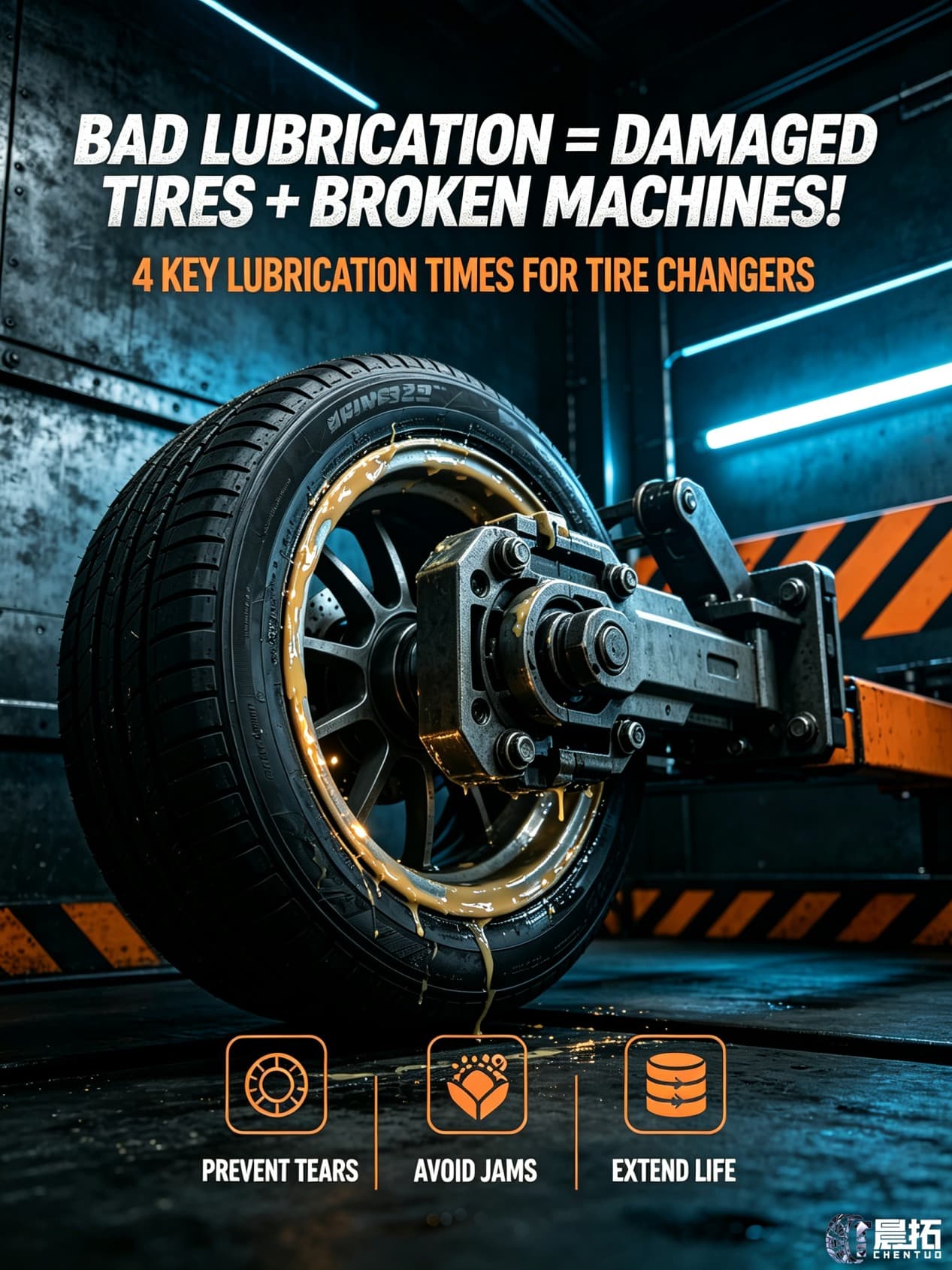
Excessive tire wear and tire changer malfunctions often stem not from equipment aging, but from inadequate lubrication. Novices frequently encounter issues such as tire scuffing, jamming, and abnormal equipment noise during tire mounting and dismounting. Regular lubrication protects the tires, eliminates the need for rework, and extends the equipment’s lifespan—so be sure to save these practical tips!
During tire removal operations, friction caused by a lack of lubrication is the primary culprit behind damage to both the tire and the machine. Insufficient lubrication can lead to scratches on the tire bead and rubber cracking, while also accelerating wear on equipment spindles and clamping jaws, thereby reducing operational efficiency. By keeping these four key lubrication moments in mind, even novices can perform the job without errors.
First, before removing a tire, apply a specialized lubricant paste evenly to both the inner and outer surfaces of the tire bead to prevent abrasion caused by forceful prying. Second, before starting work each day, lubricate moving parts—such as the clamping jaws, rotating spindle, and lifting guide rails—to ensure smooth equipment operation. Third, if you encounter sticking or unusual noises during mounting or dismounting, apply lubricant immediately; never force the operation. Fourth, after finishing work for the day, clean the equipment and service the lubrication points to prevent jams caused by dust or rust formation on parts.
These simple lubrication steps are crucial for protecting the tire and maintaining the equipment! Standardizing these procedures minimizes wear and reduces maintenance costs—habits that every automotive repair novice should cultivate.