Using a positioning device without calibration? A 1° data deviation increases driving risks tenfold.
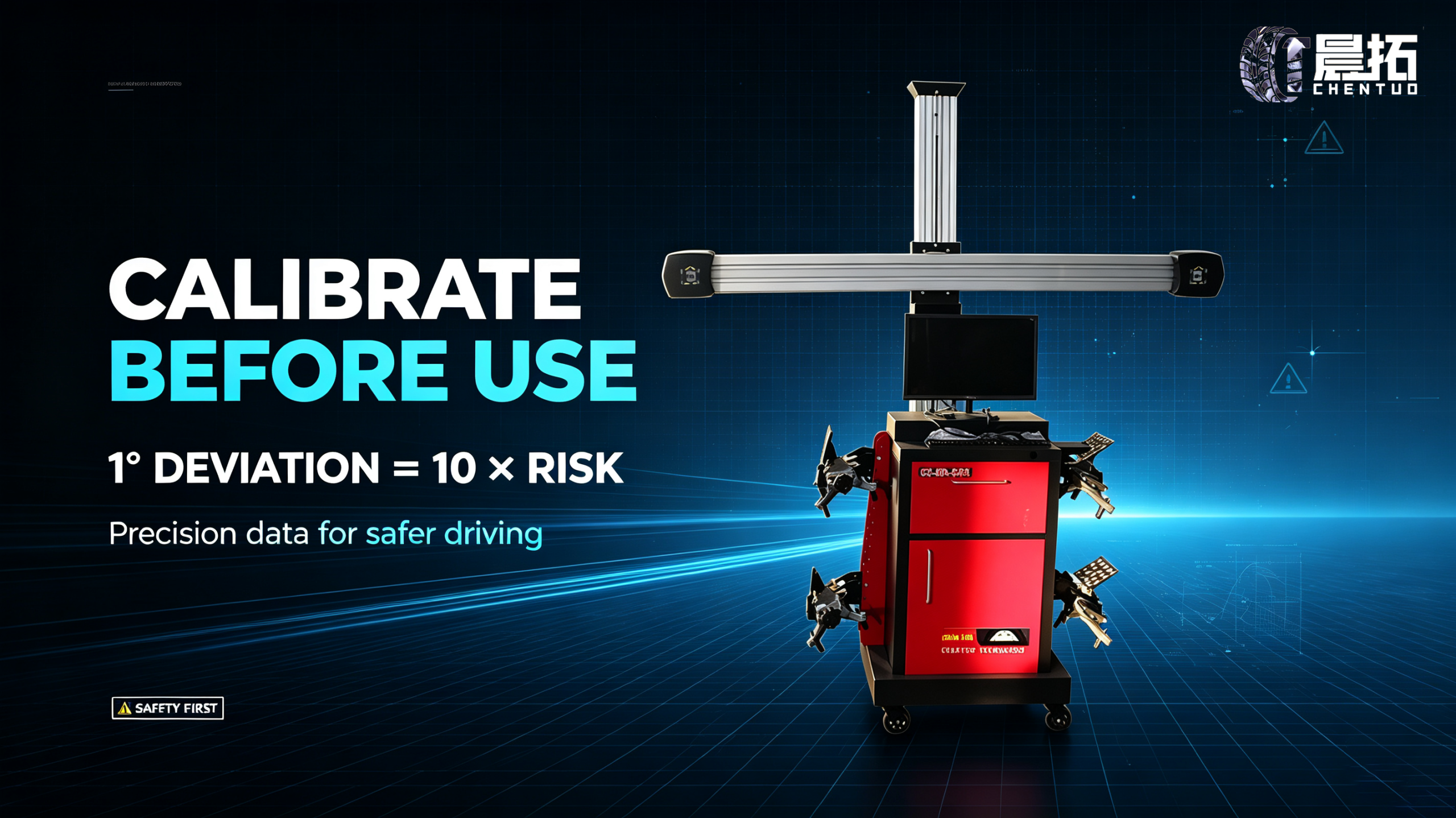
Many vehicle maintenance and driving personnel hold a misconception: as long as the positioning device displays data normally, regular calibration is unnecessary. However, this is far from the truth. Using a positioning device without calibration may seem like a minor 1° data deviation, but it is enough to increase driving risks tenfold.
During vehicle operation, the positioning angle is the core basis for trajectory prediction and direction correction. A subtle 1° deviation is hard to notice at low speeds, but once the vehicle speeds up on the road, the deviation will continuously amplify with the driving distance, leading to issues such as trajectory drift, inaccurate distance measurement, and direction prediction errors. Whether driving on conventional roads or operating special and construction vehicles, it can easily trigger dangerous situations like crossing lines, lane deviation, and delayed yielding.
Long-term use of positioning devices will cause cumulative errors due to vibration, temperature differences, and equipment wear. Regular calibration is not a redundant process, but a key measure to avoid safety risks. Abandoning the mentality of taking chances and ensuring regular equipment calibration—with precise data support—is the first line of defense for driving safety.